The Future of Public Transport: What Lies Ahead?
🚀 The Future of Public Transport: What Lies Ahead? 🌍✨ As we navigate through the 21st century, the evolution of public transport stands at the forefront of shaping sustainable, efficient, and inclusive cities. Our latest blog post dives into the fascinating innovations and trends that are set to redefine urban mobility in the decades to come. From the electrification of buses and trains to the pioneering strides in autonomous vehicle technology and the visionary concept of urban air mobility, we're on the cusp of a transportation revolution. 🚌🚆🚁 But what does this mean for our daily commutes, the environment, and urban planning? How will smart cities integrate these new modes of transport, ensuring they're accessible to everyone? And in the post-pandemic world, how are safety and health considerations being prioritized to restore public confidence in communal travel? Join us as we explore: The push towards electrification and sustainable energy sources The transformative potential of autonomous vehicles and smart city integration The emergence of high-speed and Hyperloop technologies The rise of personalized and on-demand transport services The critical importance of inclusivity and accessibility in future public transport systems

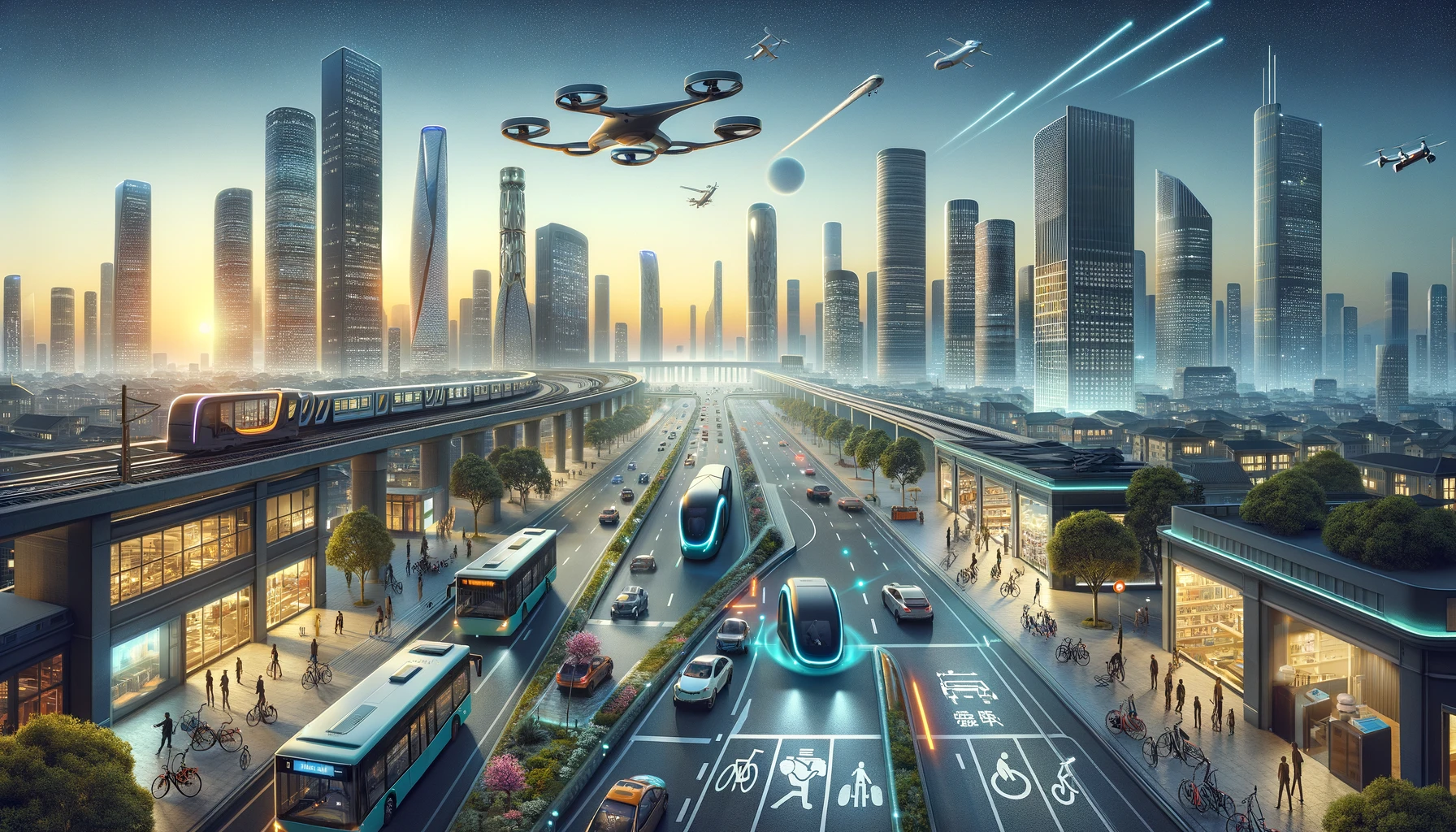
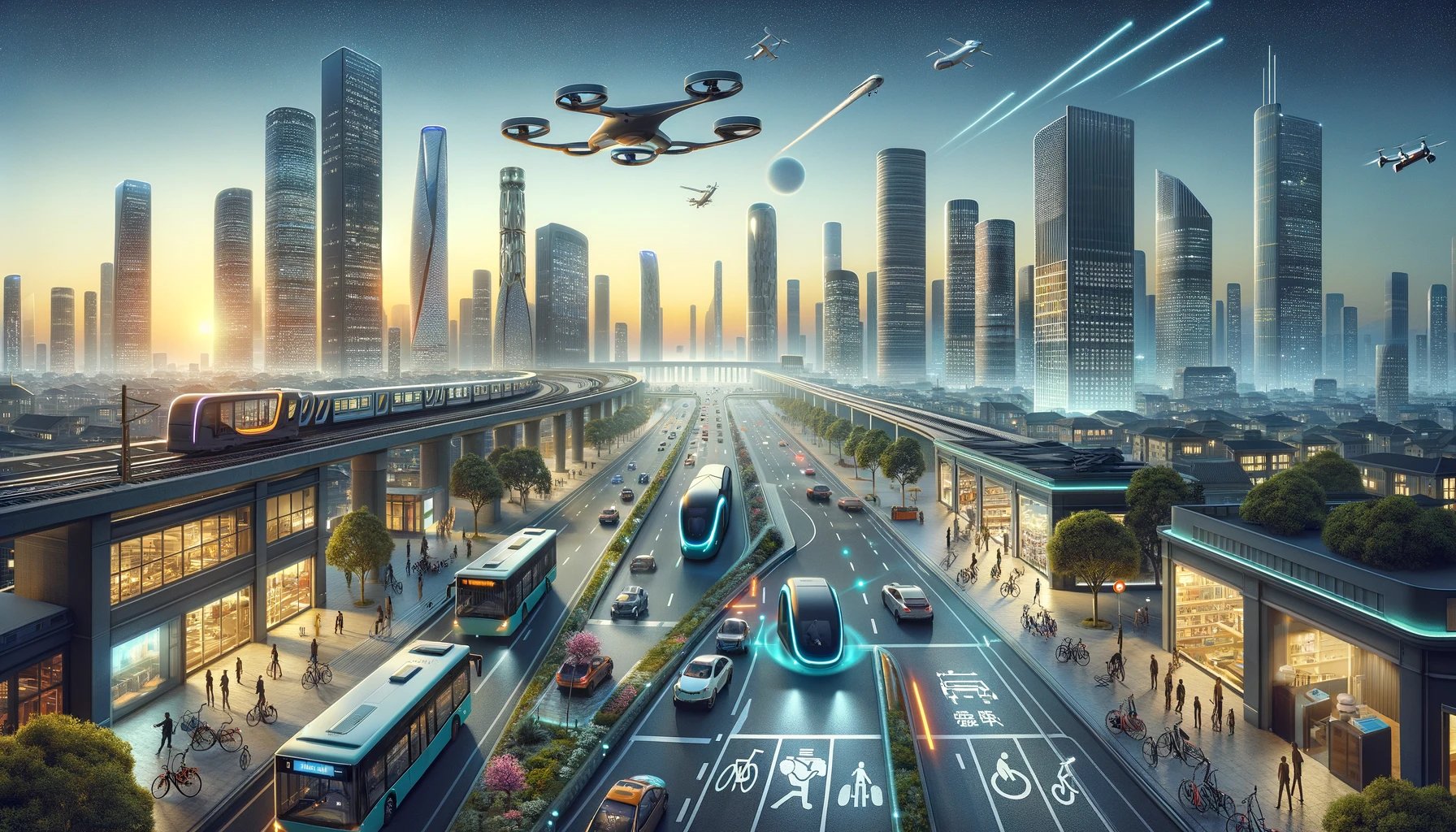 Predicting the future of public transport involves considering trends in technology, urban planning, environmental concerns, and changing societal needs. Here are several key factors and innovations that could shape the future of public transport:
-
Electrification and Sustainability: As concerns over climate change and air quality continue to grow, there's a significant push towards electrifying public transport. This includes not only buses and trains but also newer forms of mobility such as electric bikes and scooters. Renewable energy sources are likely to power these vehicles, reducing greenhouse gas emissions and pollution.
-
Autonomous Vehicles: The development of autonomous, or self-driving, technology could transform public transport. Self-driving buses and trams may offer more efficient, safe, and cost-effective services, potentially operating around the clock. Autonomous ride-sharing services could complement existing public transport options, providing last-mile connectivity.
-
Smart Cities and Integration: Future public transport systems are expected to be more integrated into the fabric of smart cities. This integration could provide seamless mobility options, combining traditional public transport with ride-sharing, bike-sharing, and other modes of transport through unified payment and scheduling systems. Real-time data analytics will enhance operational efficiency and passenger experience.
-
High-speed and Hyperloop Technologies: Advances in high-speed rail and experimental transport technologies like the Hyperloop promise to drastically reduce travel times between urban centers. Such developments could make longer commutes feasible and alter the dynamics of urban sprawl, potentially reducing the pressure on crowded city centers.
-
Personalized and On-demand Services: The future of public transport is likely to be more personalized and on-demand. Apps and technology platforms will enable passengers to customize their journeys, integrating different modes of transport based on preferences for speed, cost, and convenience.
-
Safety and Health Concerns: In the wake of the COVID-19 pandemic, public transport systems are becoming more focused on passenger health and safety. This could mean more frequent cleaning, contactless payments, crowd management technologies to avoid overcrowding, and better ventilation systems.
-
Urban Air Mobility (UAM): While still in early development stages, UAM involves the use of air vehicles (like drones and air taxis) to transport people within and between cities. This futuristic mode of transport could alleviate ground congestion and provide a new dimension to urban mobility.
-
Inclusivity and Accessibility: Future public transport systems will likely emphasize inclusivity, ensuring that services are accessible to all segments of the population, including those with disabilities, the elderly, and underserved communities. This focus will improve the overall usability and reach of public transport.
The exact trajectory of public transport will depend on technological advancements, regulatory environments, urban planning decisions, and societal shifts. However, the overarching goal remains to create more efficient, sustainable, and accessible transportation options for everyone.

One email a month.
Worth opening.
Senior-practitioner thinking. Cancel in a click.
Tell us in 25 minutes
what you're navigating.
Senior practitioners on tap — interim, GaaS, or consultancy depending on what fits.